Auteur/autrice : zoummanaurel@gmail.com

  • 𝒀𝑨𝑨𝑪 𝑻𝑨𝑳𝑲 2 : Women, knowledge, and agroecology: at the heart of sustainable climate adaptation

    𝒀𝑨𝑨𝑪 𝑻𝑨𝑳𝑲 2 : Women, knowledge, and agroecology: at the heart of sustainable climate adaptation

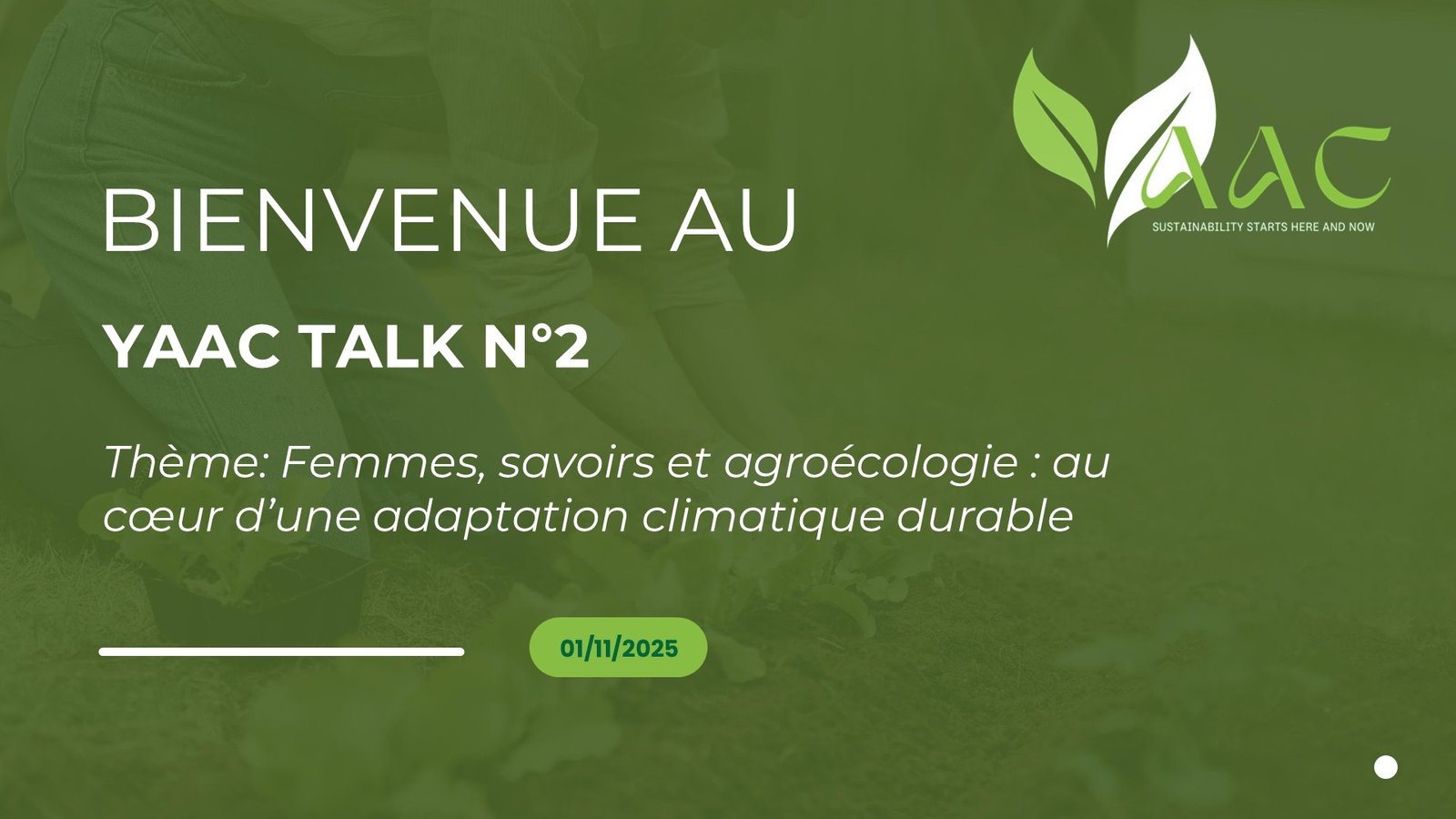
    On November 1st, 2025, the Youth Alliance for Agroecology and Climate (YAAC) held its YAAC Talk #2, a powerful and engaging session dedicated to the theme:
    “Women, Knowledge, and Agroecology: At the Heart of Sustainable Climate Adaptation.”
    For more than 2 hours and 30 minutes, women leaders, changemakers, and environmental advocates came together to share their experiences, challenges, and visions for building a sustainable and resilient Africa.

    Highlights of the Discussion

    The session featured rich exchanges and inspiring testimonies, emphasizing the essential role of women in shaping the future of agroecology and climate resilience.
    Among the key themes explored:

    • The vital role of rural women in driving agroecological transformation.
    • Synergy between traditional knowledge and modern innovations, showing how ancestral wisdom complements scientific progress.
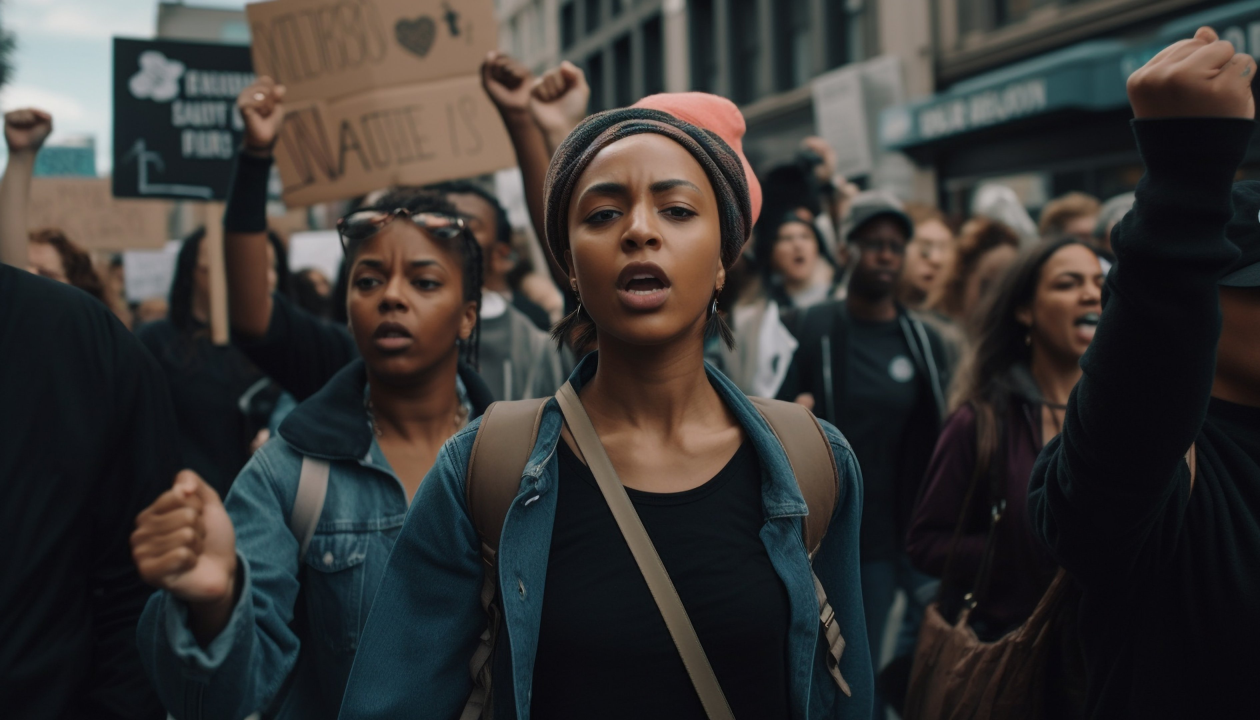
    • A call for genuine inclusion of women and youth in climate policies and decision-making processes.

    Participants highlighted that empowering women and recognizing their expertise are cornerstones of effective climate adaptation across African communities.

    🎥 Watch the Recap Video

    Relive the best moments of the session!
    🎬 Watch the 30-minute summary video of YAAC Talk #2 here:

    Through powerful stories and collective reflection, this edition of YAAC Talk reaffirmed that women stand at the center of ecological and social transformation — as guardians of knowledge, innovators, and agents of change.

    At YAAC, we believe that amplifying women’s voices is essential to building a fairer, greener, and more resilient Africa.

    Join the movement, share your perspective, and take part in the dialogue that is shaping the future of agroecology and climate action.
    • African Youth at the Heart of the Green Transition

      African Youth at the Heart of the Green Transition

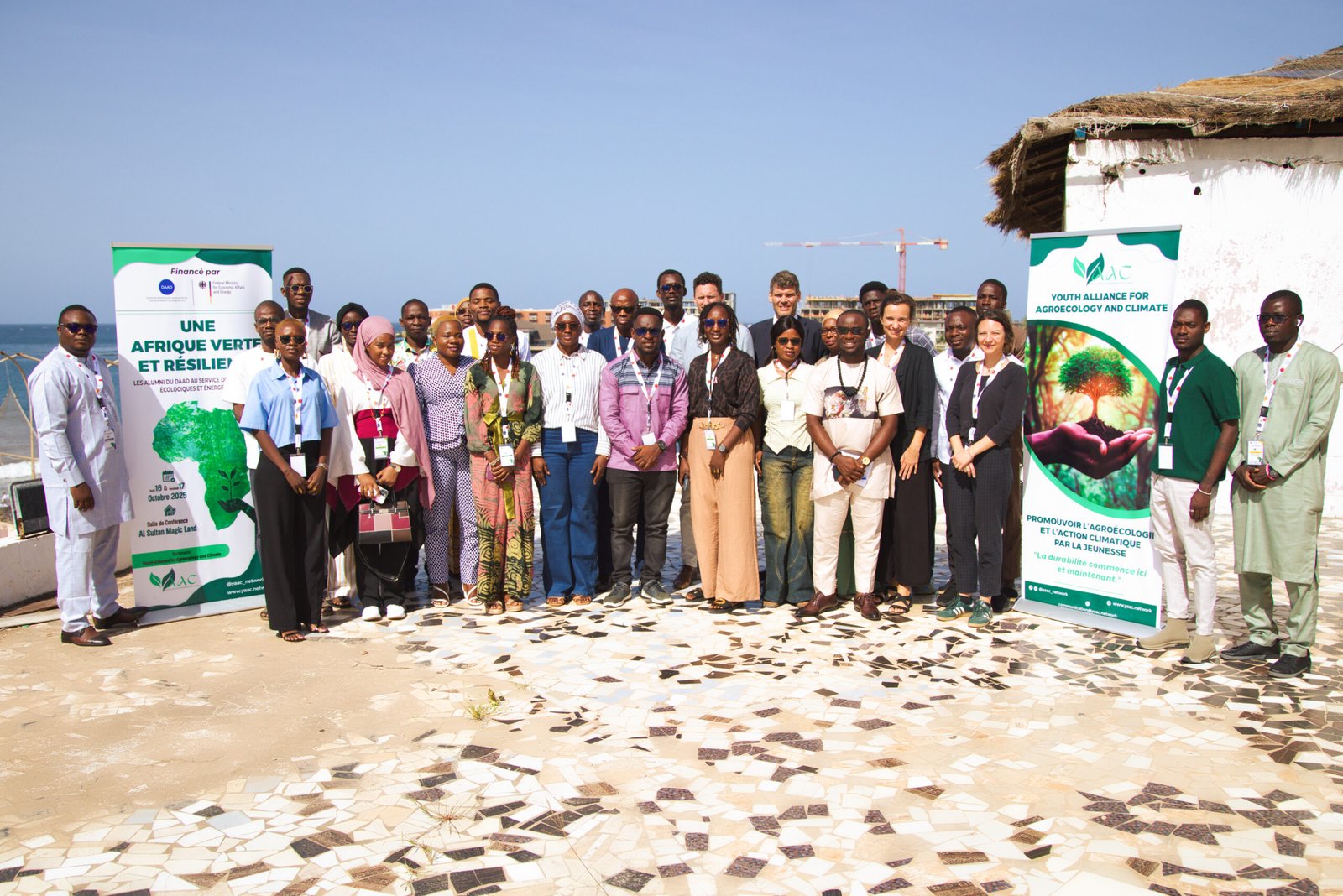
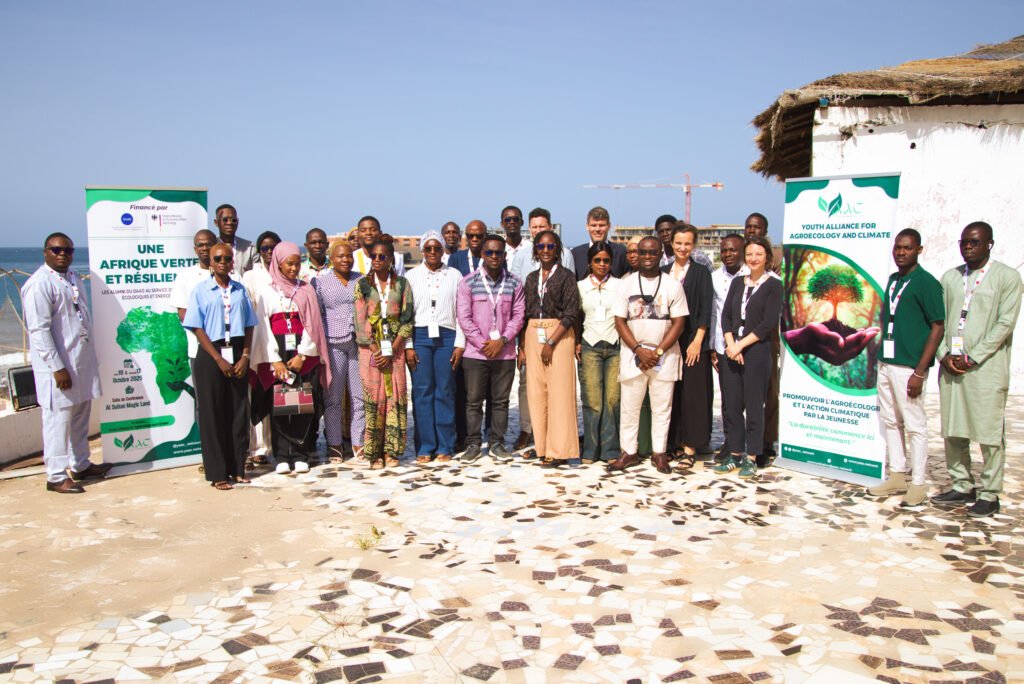
      The YAAC network (Youth Alliance for Agroecology and Climate), in collaboration with the DAAD Alumni Network, organized the workshop “A Green and Resilient Africa,” bringing together nearly 40 young people, experts, and partners committed to agroecological and energy transition in Africa in Dakar. Description of the blog post:

      co-organized by YAAC (Youth Alliance for Agroecology and Climate) and the DAAD Alumni , brought together in Dakar around forty young participants, experts, and committed partners.

      Marked by the presence of representatives from the European Union and the Embassy of the Federal Republic of Germany in Senegal, the day provided an opportunity to present study and funding opportunities offered by Team Europe and the DAAD.

      Discussions focused on the role of youth in driving the agroecological and energy transition, through a dynamic panel and an interactive World Café addressing four key themes:

      • Gender inclusion and women’s leadership,
      • Sustainable management of mineral resources,
      • Youth entrepreneurship,
      • and Climate finance.
      • International Zero Waste Day: YAAC takes action for clean beaches in Dakar!

        International Zero Waste Day: YAAC takes action for clean beaches in Dakar!

        On the occasion of International Zero Waste Day, observed this Sunday, March 30, we’d like to draw attention to the urgency of beach pollution in Dakar, the Senegalese capital.

        On the occasion of International Zero Waste Day, observed this Sunday, March 30, we’d like to draw attention to the urgency of beach pollution in Dakar, the Senegalese capital.

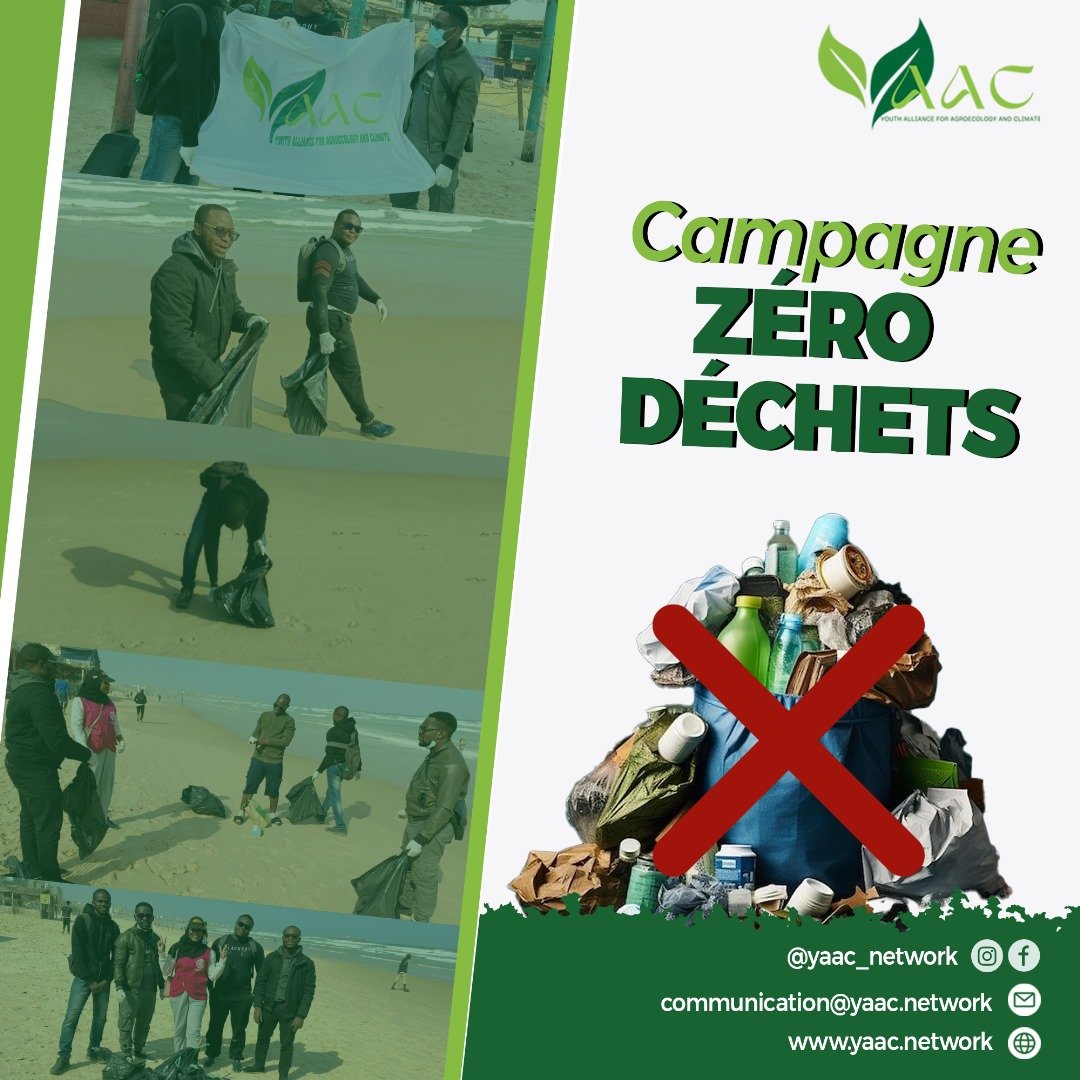
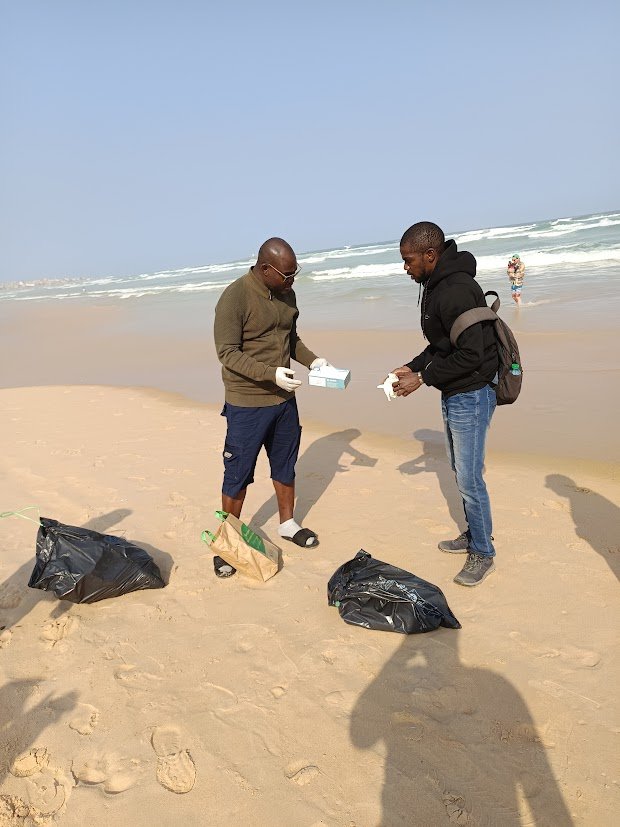
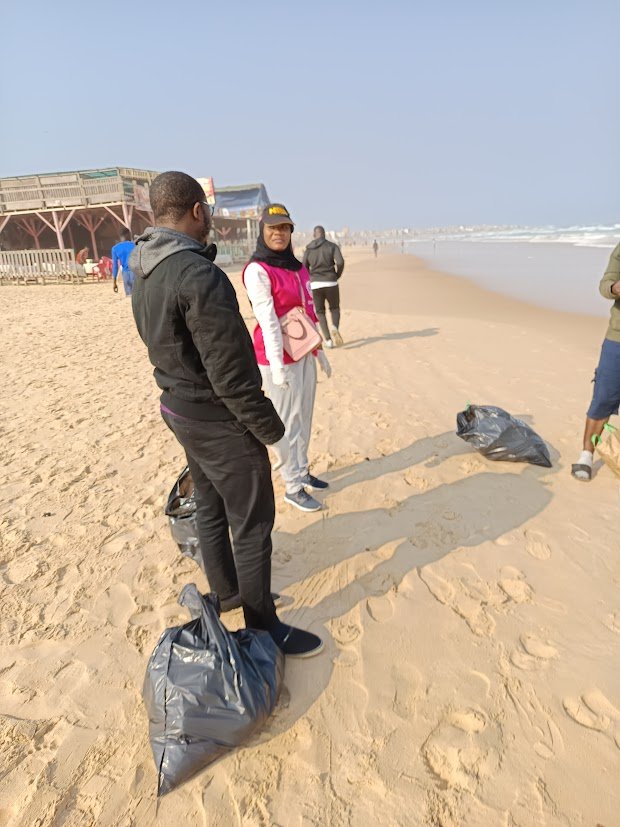
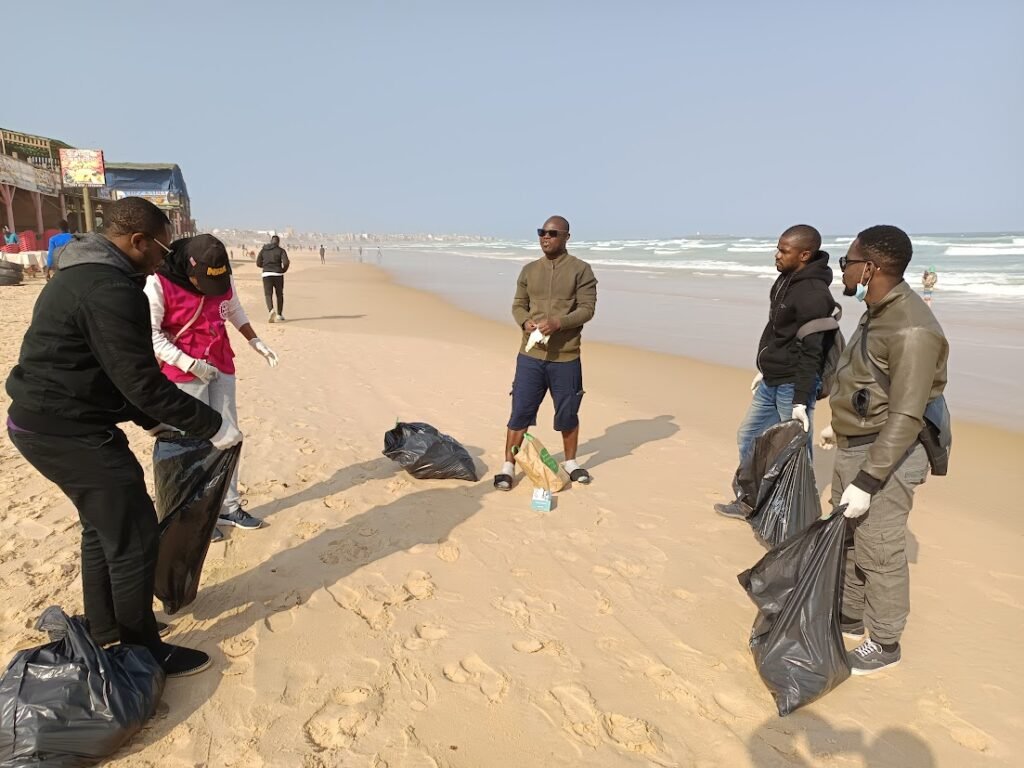
        One of the Youth Alliance for Agroecology and Climate (YAAC)’s first actions was cleaning up the BCEAO beach on January 26, 2025. Driven by an inspiring mobilization of citizens, this initiative brought together committed volunteers from the Rotaract Club Dakar Phoenix and the Dakar Clean Up Crew. Together, they worked to bring this emblematic site back to life.

        Why BCEAO beach?

        Faced with the accumulation of plastic waste and other detritus, the need for action was pressing. Popular with locals and visitors alike, the BCEAO beach deserves special attention. This action is part of a global initiative to raise awareness and promote sustainable ecological practices.

        An initiative that’s just getting started

        This cleanup is only the first step. The organizers hope to extend the initiative to other beaches and mobilize more players, including schools, businesses, and local authorities. The aim? To make preserving the environment part of everyone’s daily routine.

        A global challenge

        According to the United Nations, households, small businesses, and public service providers generate between 2.1 and 2.3 billion tonnes of municipal solid waste every year, including packaging, electronic equipment, plastics, and food waste.

        Join the movement now by contacting us!

        Together, let’s make Dakar a model of cleanliness and respect for the environment. Every gesture counts; every commitment makes a difference.

        • World Wetlands Day Celebration: An Unforgettable Visit 2025

          World Wetlands Day Celebration: An Unforgettable Visit 2025

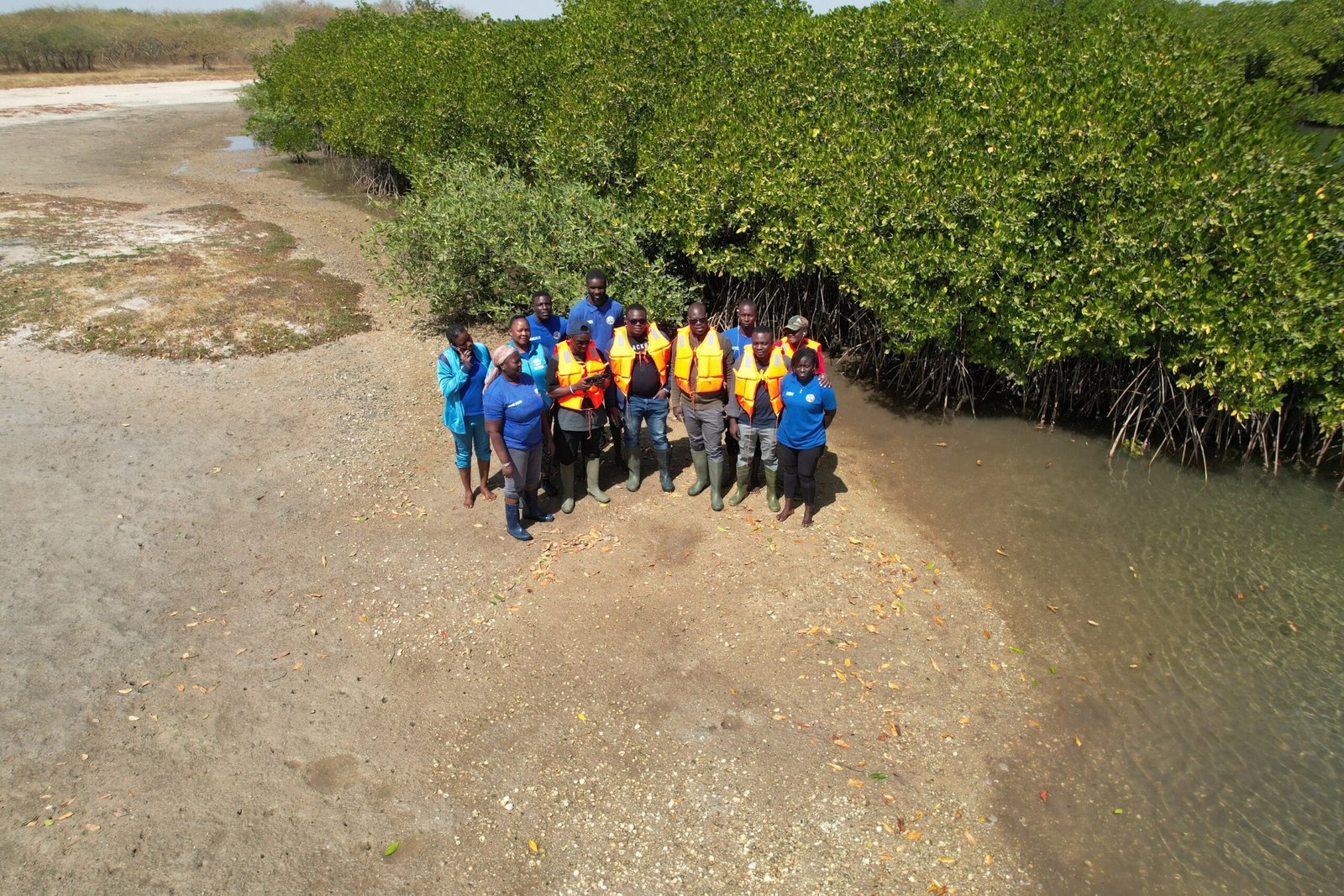
          Every year, on February 2, the world unites to celebrate World Wetlands Day, a moment to recognize the crucial role wetlands play in sustaining life on Earth. To mark this global event, the Youth Alliance for Agroecology and Climate (YAAC) partnered with the Association for Integrated Management of Natural Resources and Environment (AGIRE) to organize an inspiring field visit dedicated to wetland protection and education.

          A Shared Vision for Environmental Stewardship

          This field visit went beyond a simple educational activity; it was a powerful symbol of collaboration between two organizations sharing a common goal: protecting nature through action, awareness, and community empowerment.

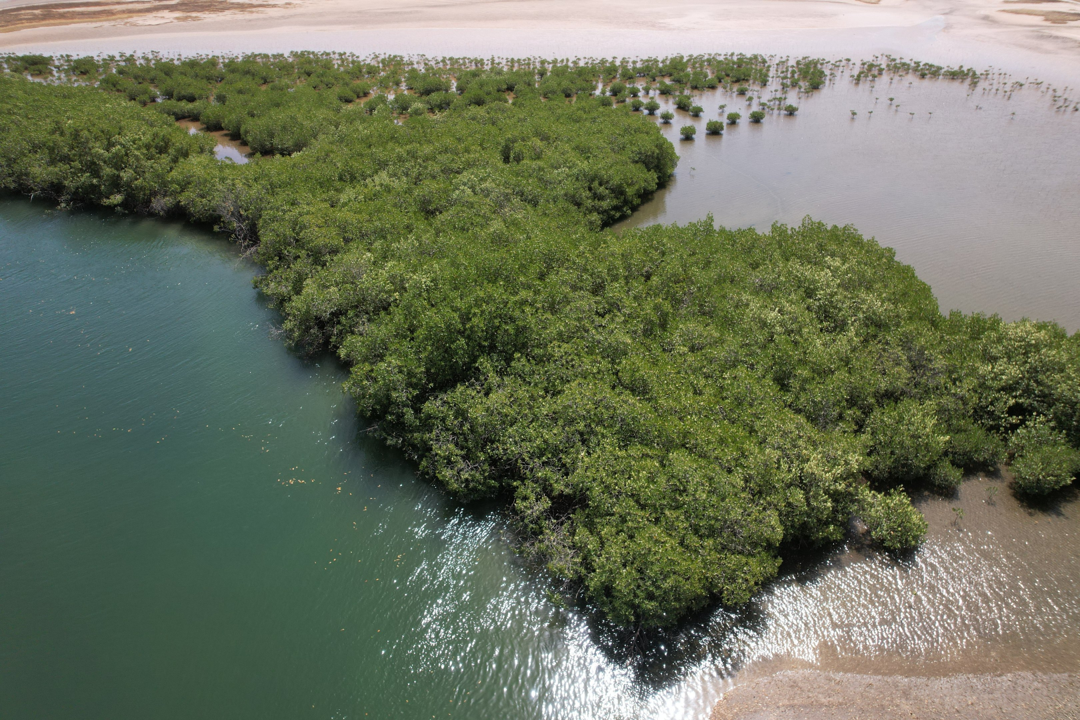
          Wetlands, defined by the presence of water, whether fresh, salty, or brackish, are among the most productive and diverse ecosystems on the planet. They provide essential habitats for countless species, act as natural sponges that absorb floodwaters, and help maintain water quality.

          During the visit, participants discovered these unique ecosystems firsthand. Their reflections underscored how vital awareness and education are for the long-term preservation of wetlands.

          “Mangroves are essential for biodiversity. They efficiently capture CO₂, limit coastal erosion, and serve as nurseries for fish, supporting local economies and food security.”
          Madelaine Ndiaye, Co-President of AGIRE

          According to Alexandre ZOUMMAN, President of YAAC and biotechnology expert, the value of mangroves extends far beyond their ecological services.

          “Mangroves act as natural barriers against storms, tsunamis, and cyclones, reducing the impact of natural disasters on coastal communities. Their preservation is essential for strengthening climate resilience.”

          Shélumiel AGBODJAN, member of YAAC, added:

          “This partnership between YAAC and AGIRE will continue to grow stronger and make a lasting impact on the protection of our environment.”

          Together for a Sustainable Future

          This World Wetlands Day not only reinforced the collaboration between YAAC and AGIRE but also deepened participants’ understanding of how wetlands sustain biodiversity, regulate the climate, and purify water.

          Through engaging activities and open discussions, participants were inspired to take action in their own communities. Preserving these delicate ecosystems requires collective effort, youth engagement, and continuous education.

          💧 Every action counts! Together, we can build a future where wetlands are valued, respected, and protected for people, for biodiversity, and for the planet.

          • Insights into clean energy

            Moussa Ka, PhD student and member of YAAC, on World Clean Energy Day, January 26, 2025, talks to us about energy.

            Introduction to Clean Energy

            As climate change continues to pose one of the greatest challenges of our time, finding sustainable energy solutions has become more urgent than ever. Unlike fossil fuels that deplete natural resources and emit harmful pollutants, clean or renewable energy sources are emerging as a viable and eco-friendly alternative. These energy forms generate minimal waste during use, helping to significantly reduce our carbon footprint.

            In this context, Moussa Ka, a PhD researcher and member of the Youth Alliance for Agroecology and Climate (YAAC), sheds light on the importance of biomass energy, particularly in rural areas.

            Biomass: A Local and Renewable Resource

            Biomass—organic material derived from plants and animal waste—represents a key renewable energy source. As a locally available resource, it can be used to produce electricity, as well as for heating and cooking systems that are both efficient and sustainable. Beyond energy production, biomass utilization promotes a circular economy by turning waste into value and supporting the conservation of natural resources.

            According to Moussa Ka, access to biomass energy can transform rural communities by reducing their dependence on fossil fuels, lowering energy costs, and strengthening resilience against economic fluctuations.

            Empowering Youth and Rural Economies

            The adoption of biomass technologies also creates new opportunities for young farmers and green entrepreneurs. By converting organic waste into usable energy, farmers can diversify their income while contributing to cleaner and more sustainable energy systems. These initiatives not only support climate action but also stimulate rural economies and create green jobs.

            As shown in Moussa Ka’s featured video, such approaches are not merely environmental solutions—they are drivers of rural revitalization and pillars of sustainable development.

            Towards a Sustainable Future

            Transitioning to renewable energy sources like biomass is essential for achieving a sustainable future, particularly in vulnerable regions. The efforts led by actors such as Moussa Ka highlight how community-driven solutions can integrate clean energy into local development strategies.

            Public policies must now reinforce these initiatives by providing technical and financial support, ensuring that the energy transition is both inclusive and effective.

            👉 Watch the video to discover how biomass energy is transforming communities, empowering youth, and protecting the environment.

            • Action for the Planet: Building a Sustainable Future

              Action for the Planet: Building a Sustainable Future

              Call for action, all youth must take responsibility and contribute to climate change mitigation and adaptation.

              For YAAC (Youth Alliance for Agroecology and Climate), taking action to preserve our planet is essential. Humanity’s future is threatened by climate change and environmental degradation, but as young people, we have the power to drive lasting change. Coming together can inspire action and lay the groundwork for a resilient and sustainable future.

              Our goal is to promote sustainable agricultural practices that ensure food security while preserving ecosystems. We are convinced that humanity’s food needs can be met without compromising the environment. YAAC focuses on educating communities, raising awareness, and sharing agroecological solutions to foster harmony between agriculture and nature.

              At the heart of YAAC is the belief that youth are not only the leaders of tomorrow but also the driving force of change today. Through training programs, workshops, and community initiatives, we equip young people with the skills and knowledge they need to champion climate action and agroecological innovation in their regions.

              Joining YAAC means becoming part of a movement dedicated to collaboration, innovation, and environmental preservation. Together, we can reduce humanity’s negative impact on the planet and create a world where people and nature thrive in harmony.

              • Mangroves : ancestral knowledge to protect

                Mangroves : ancestral knowledge to protect

                Faced with the failure of mangrove protection laws, some countries and NGOs are resorting to endogen cults.

                Endogenous religions and ancestral knowledge to protect mangroves

                Faced with the failure of mangrove preservation laws, NGOs are turning to the fetish. Mangroves are a natural barrier against erosion and a powerful tool in the fight against climate change because they have a high carbon sequestration capacity. Their importance in preserving the ecosystem has led UNESCO to designate the Bouche du Roy, an area of over 10,000 hectares of marshes and lagoons at the mouth of the Mono River in the Atlantic, as a biosphere reserve.

                The failure of various legislative measures to protect this environment has not prevented man from cutting mangrove wood, thereby destroying the mangrove. Knowing its usefulness in the survival of the human species, NGOs are urging Vodoun followers to call on fetishes to guard them. For example, since 2016, a zangbéto, a night watchman fetish, has been offering its protection to the Hakouè mangrove. It’s a return to traditional values. According to researcher Alexandre Mahougnon ZOUMMAN, the social taboos associated with sacred forests were intended to protect the environment: “In Benin, endogenous religions have always been involved in protecting the environment. They are involved in the protection of several forests dedicated to tutelary divinities.” The role of fetishes in nature conservation has been demonstrated. But men have always violated taboos. We need to overcome the barriers imposed and offer alternatives other than using firewood for cooking.

                • Official launch of YAAC: Youth Alliance for Agroecology and Climate

                  Official launch of YAAC: Youth Alliance for Agroecology and Climate

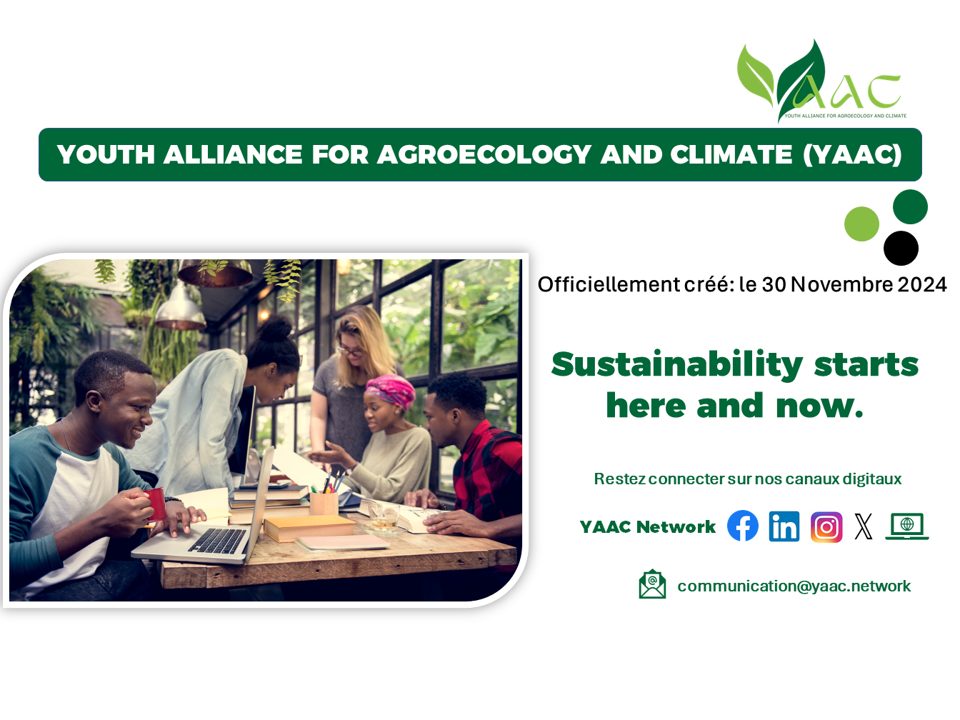
                  November 30, 2024, Dakar – Just before World Environment Week, the Youth Alliance for Agroecology and Climate (YAAC) was officially launched. This pan-African network embodies the mobilization of young leaders to address environmental challenges and promote sustainable agroecological solutions.

                  A Necessary Commitment for a Resilient Continent

                  As Africa faces increasingly pressing climate challenges, the launch of YAAC represents a bold and essential response. At the inaugural online meeting, the founding members presented a clear vision: to establish an inclusive, cross-cultural network that unites young people in the fight against climate change, promotes environmental education, and fosters agroecological resilience.

                  Alexandre Zoumman, YAAC’s initiator, opened the meeting with a message of hope and gratitude, praising the commitment of the founding members in bringing this idea to fruition. The meeting also validated the network’s fundamental pillars, including its visual identity, statutes, and by-laws, which were adopted following a participatory discussion and proposals for improvement.

                  YAAC doesn’t just make declarations: it takes action. In February 2025, the network will begin its field activities with an ambitious project in the Saloum Delta, Senegal. Entitled “Raising awareness of the importance of mangroves and wetlands,” the project will combine climate education and reforestation. Mangroves, essential to biodiversity and the fight against coastal erosion, will be at the heart of this first inclusive action, involving local organizations, women and people living with disabilities.

                  This project bears witness to YAAC’s determination to create a tangible impact right from the outset. To bring this initiative to fruition, the network is appealing to all those of goodwill willing to contribute to this vital mission.

                  YAAC is positioned as a platform for African youth determined to meet environmental challenges. With members already present in Senegal, Benin, and soon beyond, this network promises to become a key player in Africa’s ecological transition.

                  In this World Environment Week, the launch of YAAC is a reminder that the continent’s future depends on collective, committed, and sustainable action. The network invites all organizations, institutions, and individuals sharing this vision to join this hopeful movement.

                  To find out more or to contribute, contact communication.yaac.network.

                  Together, let’s build momentum for a greener, fairer future.

                  Donate