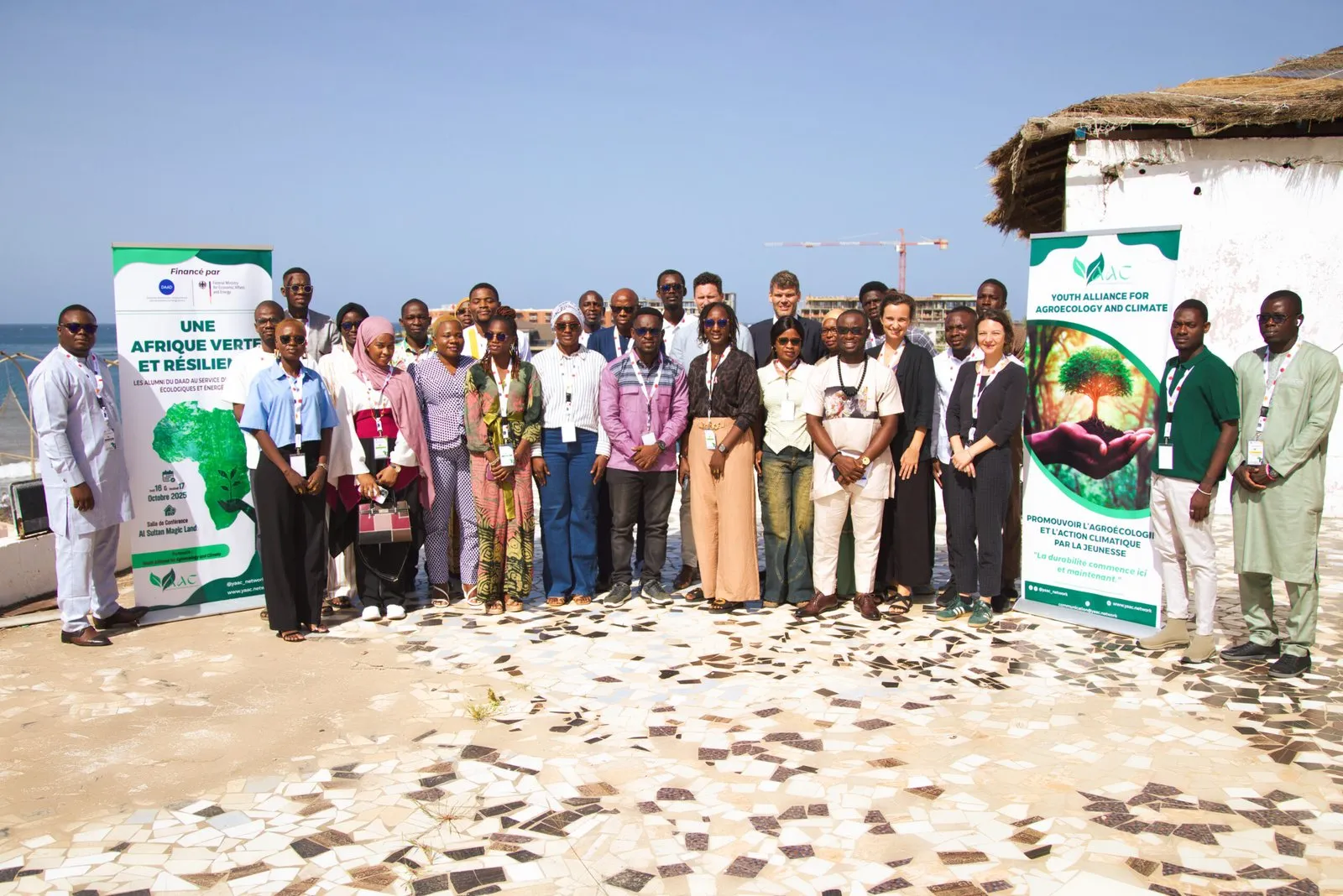

Moussa Ka, PhD student and member of YAAC, on World Clean Energy Day, January 26, 2025, talks to us about energy.
Introduction to Clean Energy
As climate change continues to pose one of the greatest challenges of our time, finding sustainable energy solutions has become more urgent than ever. Unlike fossil fuels that deplete natural resources and emit harmful pollutants, clean or renewable energy sources are emerging as a viable and eco-friendly alternative. These energy forms generate minimal waste during use, helping to significantly reduce our carbon footprint.
In this context, Moussa Ka, a PhD researcher and member of the Youth Alliance for Agroecology and Climate (YAAC), sheds light on the importance of biomass energy, particularly in rural areas.
Biomass: A Local and Renewable Resource
Biomass—organic material derived from plants and animal waste—represents a key renewable energy source. As a locally available resource, it can be used to produce electricity, as well as for heating and cooking systems that are both efficient and sustainable. Beyond energy production, biomass utilization promotes a circular economy by turning waste into value and supporting the conservation of natural resources.
According to Moussa Ka, access to biomass energy can transform rural communities by reducing their dependence on fossil fuels, lowering energy costs, and strengthening resilience against economic fluctuations.
Empowering Youth and Rural Economies
The adoption of biomass technologies also creates new opportunities for young farmers and green entrepreneurs. By converting organic waste into usable energy, farmers can diversify their income while contributing to cleaner and more sustainable energy systems. These initiatives not only support climate action but also stimulate rural economies and create green jobs.
As shown in Moussa Ka’s featured video, such approaches are not merely environmental solutions—they are drivers of rural revitalization and pillars of sustainable development.
Towards a Sustainable Future
Transitioning to renewable energy sources like biomass is essential for achieving a sustainable future, particularly in vulnerable regions. The efforts led by actors such as Moussa Ka highlight how community-driven solutions can integrate clean energy into local development strategies.
Public policies must now reinforce these initiatives by providing technical and financial support, ensuring that the energy transition is both inclusive and effective.
👉 Watch the video to discover how biomass energy is transforming communities, empowering youth, and protecting the environment.